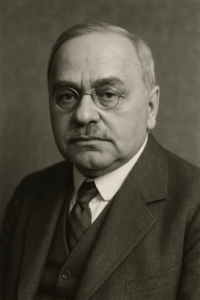
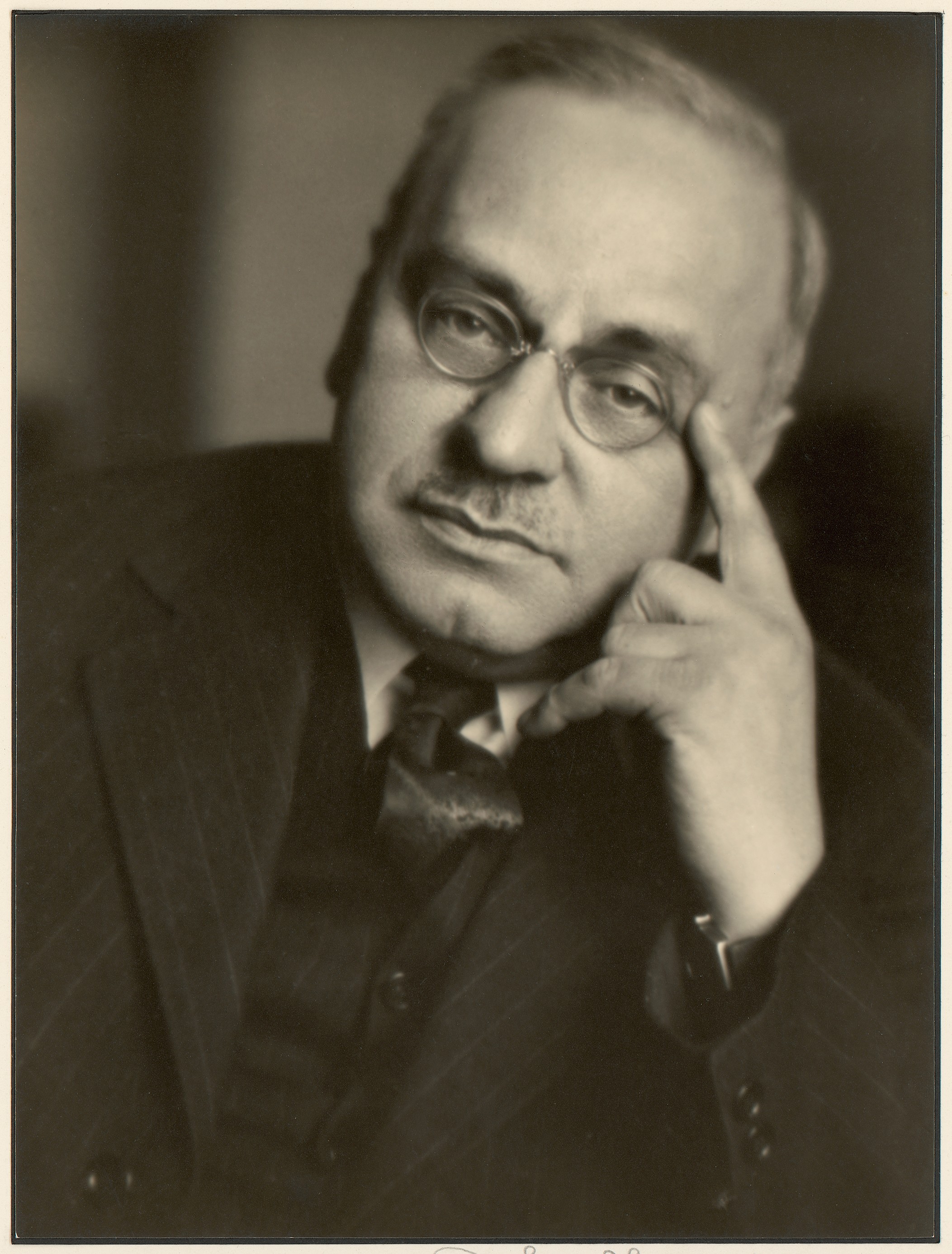
No one can claim as much contribution to the field of modern day psychotherapy as Alfred Adler (1870-1937). He really gave us the blueprint for it.
You’ve heard of his work, though probably didn’t know it was him. Inferiority complexes, “life style”, birth order, active reflective listening, challenging our beliefs with evidence, school counseling, and family therapy all spring from his body of work. Even the concept of facing your therapist during a session as opposed to sitting with your back to him or her (as Freud insisted) is due in large part to him.
Adler’s accomplishments were so comprehensive that several prominent therapists- Aaron Beck, Carl Rogers, Virginia Satir, William Glasser- built careers based on mere kernels of his theories.
One such kernel, the concept of living “as if” the problem you are facing didn’t exist, is simple yet deeply powerful in promoting positive changes. It is a useful tool in helping people who struggle with depression, anxiety, and difficult life circumstances.
To illustrate the power of living “as if”, consider how the propaganda of depression operates; in the most debilitating way, it convinces us that the world is cruel and not worth engaging in. Depression will use our own voice and tell us to wait on the things that make life worth living. It will seed our minds with phrases like “I just need to feel worse for a little bit longer before going back to school.” “How can I even work on fixing things with my family if I feel so awful?” “Everything I create is garbage so, what’s the point? I’ll just doom scroll and numb myself with junk to feel better.” When we fully embody these types of phrases, we are living “as if” we are depressed.
Adler would contend that we need to incrementally begin living “as if” we are not depressed. He’d advise us to begin asking ourselves “if I weren’t depressed at all, what would I be doing with my life?” Based on what answers are waiting for us on the other side of this question, we can find direction and plot our recovery. This is because doing better usually precedes feeling better in most things in life. Think of it like physical therapy. If one waited until the pain was gone before moving, recovery could be put off indefinitely.
This is, of course, easier said than done. Turning your mind away from our problems and living as if things are OK is not an easy lift. In addition to professional help, it takes connection with the people who love us as well as help from them to fully move out of a difficult state.
If you are in need of help with depression, anxiety, or navigating difficult life circumstances, consider setting up a free 15 minute consultations with me. It would be an honor to hear your story.